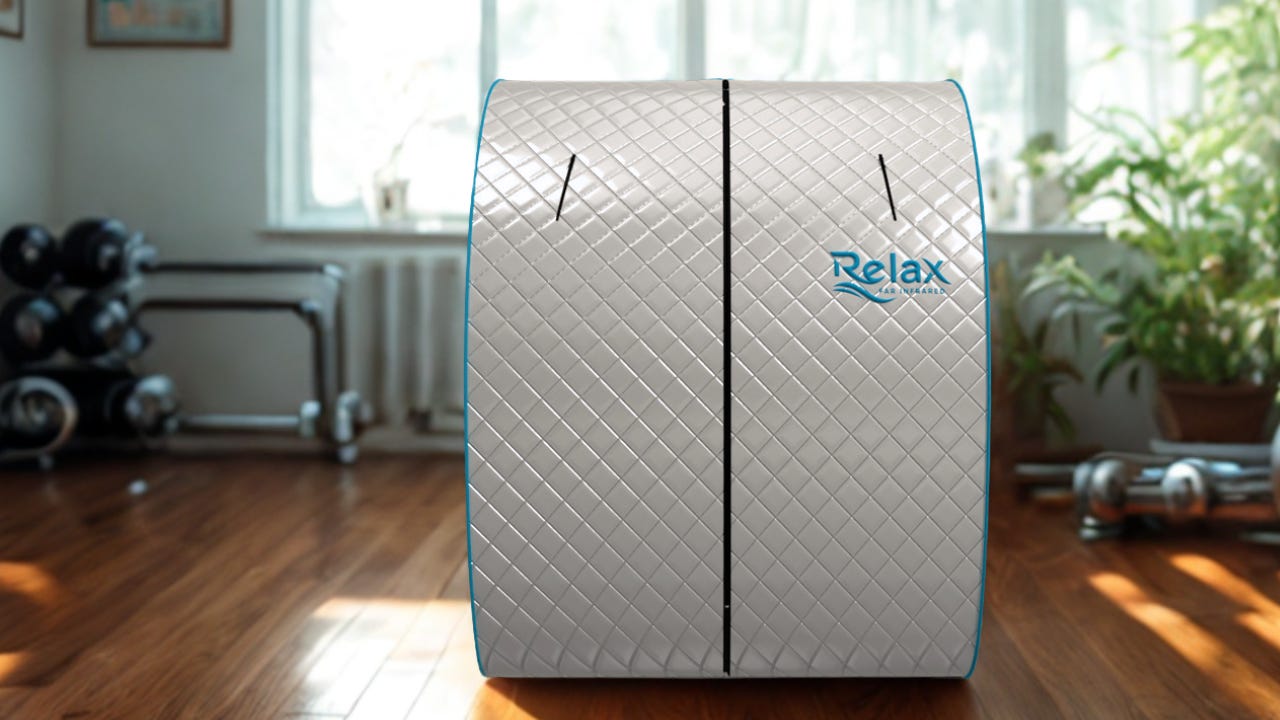
Lynn recently added a Relax Sauna, FDA approved, for her continued good health and well-being to her Plasma Energy Solution waters regimen. Lynn has arranged a small discount with Relax Saunas with a Coupon word: ‘plasma’ and a special link here: https://relaxsaunas.com/plasmaenergysolutionpma.

You can find out more from Lynn by emailing her at plasmaenergysolution@protonmail.com .
Watch her short video below for more information on the good effects she is experiencing from using her Relax Sauna daily for 20+ minutes. You can find more about far infrared therapy in the articles that follow.
Video: What Is Lynn Doing Along With Plasma Energy Water For Her Good Health?

https://www.brighteon.com/c638551e-3229-44ef-b494-3945ed633a09
Find out what Lynn added to her staying healthy routine that includes her Plasma Energy waters and something new. Save 25% on purchases by taking advantage of our special for June, 2025. The coupon word is on our home page! a special she mentions only in this video.
To find out more about the sauna Lynn discusses you can send her an email at plasmaenergysolution@protonmail.com. Let her know if you want the link and the discount code.
Don’t forget Lynn is going to announce something special on Father’s Day, 2025. She gives a hint in this video. Go to the home page of https://www.plasmaenergysolution.com
Therapeutic Benefits of Controlled Hyperthermia and Far Infrared Therapy
A Comprehensive Review of Biological Mechanisms and Clinical Applications
Abstract
The therapeutic application of controlled hyperthermia, including artificially induced fever states, and far infrared (FIR) radiation therapy represents a growing field of medical intervention with significant potential for enhancing human health. This review synthesizes current research on the biological mechanisms underlying these thermal therapies and examines their clinical applications across various disease states. Evidence demonstrates that controlled elevation of body temperature activates multiple immune pathways, enhances cellular repair mechanisms, and provides therapeutic benefits for conditions ranging from cancer to autoimmune disorders. Similarly, far infrared therapy has shown promise in cardiovascular health, wound healing, and inflammatory conditions through both thermal and non-thermal biological effects. This comprehensive analysis examines the scientific foundation supporting these therapies and their potential integration into modern medical practice.
Introduction
The therapeutic use of heat in medicine has ancient roots, with historical records documenting the use of fever-inducing treatments dating back thousands of years. Modern scientific understanding has revealed the sophisticated biological mechanisms underlying thermal therapy’s beneficial effects. Two primary approaches have emerged in contemporary practice: controlled hyperthermia that mimics natural fever responses, and far infrared radiation therapy that provides targeted thermal and non-thermal biological effects.
Fever is a cardinal response to infection that has been conserved in warm and cold-blooded vertebrates for over 600 million years of evolution, suggesting fundamental biological importance (Evans et al., 2016). Recent research has demonstrated that fever temperatures boost activity in certain immune cells, providing a scientific foundation for therapeutic applications of controlled hyperthermia (ScienceDaily, 2011).
The growing body of evidence supporting thermal therapies necessitates a comprehensive review of their mechanisms, applications, and clinical potential. This review aims to synthesize current knowledge regarding the therapeutic benefits of controlled fever states and far infrared therapy, examining both the underlying biological processes and clinical outcomes reported in recent literature.
Biological Mechanisms of Controlled Hyperthermia
Immune System Activation
The relationship between elevated body temperature and immune function represents one of the most well-documented aspects of hyperthermia therapy. Research has demonstrated that both the innate and the adaptive immune system are activated, and a number of changes can be observed, namely: enhanced innate immunity, including increased phagocytic activity of leukocytes, increased mobility of leukocytes, and expression of specific interleukins (Hildebrandt et al., 2007).
The evolutionary conservation of fever responses across species provides compelling evidence for its adaptive value. Studies have shown that fever confers significant survival benefits on endotherms by optimizing both innate and adaptive immunity, with mechanisms extending beyond simple pathogen inhibition to include enhanced immune cell function and coordination (Liu et al., 2024). Recent investigations by the National Institutes of Health (2024) have further elucidated how heat from fever and inflammation directly affects immune cells at the molecular level.
Heat Shock Protein Induction
One of the most significant cellular responses to controlled hyperthermia involves the activation of heat shock proteins (HSPs). Recent research indicates that whole-body hyperthermia (WBH), particularly in fever-range, enhances mitochondrial function, induces heat shock proteins (HSPs), and modulates neuroinflammation—benefits that pharmacological treatments often struggle to replicate (Baronzio et al., 2025). These proteins serve as molecular chaperones, facilitating proper protein folding and protecting cells from stress-induced damage.
Heat shock proteins such as HSP70 and HSP90 play crucial roles in cellular protection and repair mechanisms (Yang et al., 2013). Their induction through controlled hyperthermia provides therapeutic benefits across multiple disease states, particularly in neurodegenerative disorders where protein misfolding represents a central pathological mechanism.
Vascular and Circulatory Effects
Controlled hyperthermia produces significant effects on vascular function and circulation (Kang et al., 2015). These changes include vasodilation, improved blood flow, and enhanced nutrient and oxygen delivery to tissues. The vascular responses to hyperthermia contribute to its therapeutic effects in conditions involving compromised circulation or tissue perfusion.
Clinical Applications of Controlled Hyperthermia
Cancer Treatment
The use of hyperthermia as an adjunct to cancer immunotherapy is supported by an increasing number of research data, with clinical studies demonstrating enhanced therapeutic outcomes when hyperthermia is combined with conventional treatments (Robins et al., 2010). The mechanisms underlying these benefits include direct cytotoxic effects on cancer cells, enhanced drug delivery, and activation of anti-tumor immune responses.
Research has documented that there is increasing documentation of significant survival benefits achieved in cancer patients treated with hyperthermia in combination with radiation and/or chemotherapy (Leiper et al., 2009). The synergistic effects between hyperthermia and conventional treatments appear to result from multiple mechanisms, including enhanced cellular uptake of chemotherapeutic agents and increased radiosensitivity of tumor cells.
Infection Management
The application of therapeutic hyperthermia in infectious disease management builds upon the natural fever response to pathogens. Because fever is associated with a variety of immunological reactions, it has been suspected, that therapeutical hyperthermia might also activate the immune system in a reproducible manner and thereby positively influence the course of the disease (Westra et al., 2023).
Controlled hyperthermia enhances multiple aspects of antimicrobial immunity, including increased pathogen clearance, enhanced antibiotic efficacy, and accelerated resolution of infections. These effects appear to be mediated through both direct pathogen inhibition and enhanced host immune responses.
Neurological Conditions
Emerging research suggests significant potential for hyperthermia therapy in neurological and neurodegenerative conditions (Baronzio et al., 2025). The induction of heat shock proteins and modulation of neuroinflammation represent key mechanisms through which controlled hyperthermia may provide neuroprotective effects. Applications include treatment of neurodegenerative disorders, traumatic brain injury, and chronic neuroinflammation.
Far Infrared Radiation Therapy: Mechanisms and Applications
Fundamental Properties and Biological Effects
Far infrared (FIR) radiation (λ = 4–100 μm) is a subdivision of the electromagnetic spectrum that has been investigated for biological effects (Tsai et al., 2003). Unlike other forms of electromagnetic radiation, FIR penetrates tissues to depths of several centimeters, producing both thermal and non-thermal biological effects.
Recent research has revealed that the biological effects of FIR are independent of thermal effects, suggesting multiple mechanisms of action (Vatansever et al., 2019). These non-thermal effects include direct cellular stimulation, enhanced cellular metabolism, and modulation of cellular signaling pathways.
Cardiovascular Applications
Increasing evidence suggests that convenient and non-invasive far-infrared (FIR) rays, a vital type of physiotherapy, improve the health of patients with cardiovascular disease, diabetes mellitus, and chronic kidney disease (Shui et al., 2015). The cardiovascular benefits of FIR therapy include improved endothelial function, enhanced circulation, and reduced inflammatory markers.
Clinical studies have demonstrated specific benefits in vascular access management for hemodialysis patients. FIR therapy can reduce arteriovenous fistula (AVF) occlusion rates and needling pain level, while significantly improving the level of vascular access blood flow, AVF diameter and the primary AVF patency (Gao et al., 2019).
Wound Healing and Tissue Repair
Far infrared therapy demonstrates significant potential in wound healing applications. Far infrared (FIR) therapy offers multiple benefits for the skin, including anti-inflammatory properties, which help reduce redness, swelling, and pain (Gladiator Therapeutics, 2024a). FIR therapy also improves the function of the vascular endothelium—the thin layer of cells that line the blood vessels.
The mechanisms underlying FIR’s wound healing effects include enhanced cellular metabolism, improved circulation, reduced inflammation, and stimulation of tissue repair processes (Gladiator Therapeutics, 2024b). These effects make FIR therapy particularly valuable in treating chronic wounds, surgical sites, and inflammatory skin conditions.
Pain Management and Inflammation
Infrared therapy is a new and innovative light-based method to treat pain and inflammation in various parts of the body (News Medical, 2019). Unlike ultraviolet light, which can damage the skin, infrared light enhances cell regeneration. The analgesic and anti-inflammatory effects of FIR therapy result from multiple mechanisms, including improved circulation, reduced inflammatory mediators, and enhanced cellular repair (Oriental Remedies Group, 2023).
Comparative Analysis and Synergistic Potential
The combination of controlled hyperthermia and far infrared therapy, as experience in a Relax Sauna, presents opportunities for synergistic therapeutic effects. Both modalities activate heat shock proteins, enhance immune function, and improve vascular responses. The complementary mechanisms of action suggest potential benefits from combined therapeutic approaches.
Interestingly, far infrared therapy may provide a more controlled and targeted method of inducing beneficial thermal responses compared to whole-body hyperthermia (Matsushita et al., 2024). This precision allows for treatment of specific anatomical regions while minimizing systemic effects. Conversely, controlled hyperthermia provides systemic benefits that may enhance the local effects of FIR therapy.
Safety Considerations and Contraindications
While generally well-tolerated, both controlled hyperthermia and far infrared therapy require careful consideration of patient factors and monitoring protocols. Contraindications include certain cardiovascular conditions, pregnancy, and specific malignancies where hyperthermia might promote metastasis (Yang et al., 2013).
Temperature monitoring and gradual heating protocols are essential for safe implementation of hyperthermia therapy. Far infrared therapy presents fewer safety concerns but requires consideration of skin sensitivity and underlying medical conditions (News Medical, 2019).
Future Directions and Research Opportunities
Current research directions include optimization of treatment protocols, identification of biomarkers for treatment response, and development of combination therapies. In future regenerative medicine, far-infrared radiation (FIR) may be an essential component of optical therapy, suggesting expanding applications in tissue engineering and regenerative applications (Matsushita et al., 2024).
The integration of thermal therapies with conventional medical treatments represents a promising area for clinical development. Research into personalized thermal therapy protocols based on individual patient characteristics and genetic factors may enhance therapeutic outcomes.
Conclusion
The scientific evidence supporting the therapeutic benefits of controlled hyperthermia and far infrared therapy continues to expand, with documented benefits across multiple disease states and clinical applications. The biological mechanisms underlying these therapies include immune system activation, heat shock protein induction, enhanced circulation, and cellular repair processes (Evans et al., 2016; Baronzio et al., 2025).
Clinical applications range from cancer treatment and infection management to cardiovascular health and wound healing (Robins et al., 2010; Shui et al., 2015). The safety profiles of both therapeutic modalities, when properly implemented, support their integration into clinical practice as complementary therapeutic approaches.
Future research should focus on optimizing treatment protocols, identifying patient-specific factors that predict therapeutic response, and developing combination therapies that maximize the synergistic potential of thermal interventions (Westra et al., 2023). The growing body of evidence suggests that controlled hyperthermia and far infrared therapy will play increasingly important roles in modern medical practice, offering patients non-invasive options for health enhancement and disease management.
The evolutionary conservation of fever responses and the demonstrated clinical benefits of thermal therapies provide compelling evidence for their therapeutic value (Liu et al., 2024). As our understanding of the underlying mechanisms continues to develop, these therapeutic modalities are likely to become increasingly integrated into evidence-based medical practice.
https://relaxsaunas.com/plasmaenergysolutionpma

Relax Saunas
References
Baronzio, Gian Franco, et al. “Hyperthermia and Targeting Heat Shock Proteins: Innovative Approaches for Neurodegenerative Disorders and Long COVID.” Biomedicines, vol. 13, no. 2, 2025, PMC11832498.
Evans, Susan S., et al. “Fever and the Thermal Regulation of Immunity: The Immune System Feels the Heat.” Nature Reviews Immunology, vol. 16, no. 6, 2016, pp. 335-349, PMC4786079.
Gao, Fei, et al. “Effects of Far Infrared Therapy on Arteriovenous Fistulas in Hemodialysis Patients: A Meta-analysis.” Seminars in Dialysis, vol. 32, no. 3, 2019, pp. 271-279, PMC6446143.
Gladiator Therapeutics. “What is Far-Infrared Therapy (FIR)?” Gladiator Therapeutics, 13 Dec. 2024a, gladiatortherapeutics.com/what-is-far-infrared-therapy/.
Gladiator Therapeutics. “Wound Healing Far Infrared: Top 5 Powerful Benefits in 2024.” Gladiator Therapeutics, 9 Oct. 2024b, gladiatortherapeutics.com/wound-healing-far-infrared/.
Hildebrandt, Bert, et al. “The Effect of Induced Hyperthermia on the Immune System.” Immunologic Research, vol. 39, 2007, pp. 38-45.
Kang, Ji Won, et al. “Thermoregulation and Fever.” Nature Reviews Immunology, vol. 15, no. 6, 2015, pp. 335-349.
Leiper, James, et al. “Diverse Immune Mechanisms May Contribute to the Survival Benefit Seen in Cancer Patients Receiving Hyperthermia.” Cancer Immunology, Immunotherapy, vol. 58, 2009, pp. 1641-1648.
Liu, Dong, et al. “Cold-blooded Vertebrate Utilizes Behavioral Fever to Alleviate T Cell Apoptosis and Optimize Antimicrobial Immunity.” Proceedings of the National Academy of Sciences, vol. 121, no. 38, 2024, e2408969121.
Matsushita, Kunihiro, et al. “Far-infrared Radiation and Its Therapeutic Parameters: A Superior Alternative for Future Regenerative Medicine?” Photochemistry and Photobiology, vol. 101, no. 3, 2024, pp. 847-858.
National Institutes of Health. “How Heat from Fever and Inflammation Affects Immune Cells.” NIH Research Matters, 15 Oct. 2024, nih.gov/news-events/nih-research-matters/how-heat-fever-inflammation-affects-immune-cells.
News Medical. “Infrared Therapy: Health Benefits and Risks.” News Medical, 30 Jan. 2019, news-medical.net/health/Infrared-Therapy-Health-Benefits-and-Risks.aspx.
Oriental Remedies Group. “7 Amazing Benefits of Far-Infrared Therapy (FIR).” Oriental Remedies Group, 20 July 2023, orientalremediesgroup.com/far-infrared-therapy-the-science-and-benefits/.
Robins, Howard I., et al. “Hyperthermia as an Immunotherapy Strategy for Cancer.” International Journal of Hyperthermia, vol. 26, no. 4, 2010, pp. 327-336, PMC2828267.
ScienceDaily. “Elevated Body Temperature Helps Certain Types of Immune Cells to Work Better, Evidence Suggests.” ScienceDaily, 1 Nov. 2011, sciencedaily.com/releases/2011/11/111101130200.htm.
Shui, Shuying, et al. “Far-infrared Therapy for Cardiovascular, Autoimmune, and Other Chronic Health Problems: A Systematic Review.” Experimental Biology and Medicine, vol. 240, no. 10, 2015, pp. 1257-1265, PMC4935255.
Tsai, Shun-Ru, et al. “Far Infrared Radiation (FIR): Its Biological Effects and Medical Applications.” Photochemistry and Photobiology, vol. 79, no. 3, 2003, pp. 213-219, PMC3699878.
Vatansever, Fatma, et al. “Detecting the Limits of the Biological Effects of Far-infrared Radiation on Epithelial Cells.” Scientific Reports, vol. 9, 2019, 11945.
Westra, Jorrit, et al. “Therapeutic Hyperthermia for the Treatment of Infection—A Narrative Review.” Critical Care, vol. 27, 2023, 314, PMC10410565.
Yang, Shang-Hung, et al. “Effects of Local and Whole Body Hyperthermia on Immunity.” Madame Curie Bioscience Database, NCBI Bookshelf, 2013.
***********
Breathe Life Into Your Brain Power
Your brain only makes up 2% of your body weight—but uses 20% of your oxygen. When oxygen delivery to the brain drops, even slightly, so does mental performance. You may feel it as: Brain fog Slower recall Decision fatigue Emotional burnout According to a 2021 study in the Journal of Cerebral Blood Flow & Metabolism, oxygen flow is directly linked to cognitive sharpness. And in today’s world of stress, screens, and sitting, that flow is often disrupted.
Brain Oxygenation
Efficient brain function depends on healthy, consistent blood flow. It’s how your brain receives the oxygen and nutrients it needs to stay sharp, alert, and emotionally balanced. But in today’s world, that flow is under constant threat. 🔻 Chronic stress triggers a fight-or-flight response that constricts blood vessels and diverts circulation away from the brain. 🔻 Systemic inflammation—often driven by diet, toxins, or illness—can impair vascular flexibility, limiting how easily blood moves through your body. 🔻 Poor posture from desk work, screens, or phone use can compress arteries in the neck and shoulders, reducing blood flow to the brain. 🔻 Sedentary lifestyles slow circulation overall, decreasing oxygen delivery to vital organs—including your brain. Over time, these factors lead to a subtle but significant decline in mental clarity, memory, and focus—all because your brain simply isn’t getting enough of what it needs: oxygen-rich blood.
Far Infrared Therapy: A Brain Booster That Starts with Circulation Relax Sauna’s FDA-approved, semiconductor-based far infrared technology is designed to restore balance from the inside out. This isn’t surface-level heat. It’s deep-penetrating far infrared light that stimulates vasodilation—the natural expansion of blood vessels—enhancing both systemic and cerebral blood flow. As oxygen delivery increases, so does: Mental clarity Reaction speed Memory and focus Emotional regulation Infrared therapy also supports the removal of metabolic waste from the brain—key for reducing inflammation and supporting neurological health.
Calm Body, Clear Mind Far infrared therapy doesn’t just enhance blood flow. It also helps shift your nervous system out of “fight-or-flight” and into parasympathetic rest-and-restore mode. This dual effect—calm + clarity—gives your brain the environment it needs to perform at its best. No stimulants. No side effects. Just your body, supported by physics. A Clean, Non-Invasive Path to Focus If you’ve been feeling foggy, scattered, or mentally drained, this could be the reset your brain is craving. With consistent use, Relax Sauna helps restore your baseline: calm focus, clear thinking, and sustainable energy—powered by oxygen.
Discover Why Dr. Fab Mancini Recommends the Relax Far Infrared Sauna!
As a healthy living expert featured on Doctor Phil and Fox News, Dr. Fab Mancini shares why the Relax Far Infrared Sauna is a wellness game-changer for him and his family.
“The studies prove how healthy it can be for your body.”
“The practicality makes all the difference — perfect for travel or home use.”
“The effectiveness is amazing for detox, circulation, and muscle relaxation.”
Even his wife Karen is hooked, using it every day wherever they go!